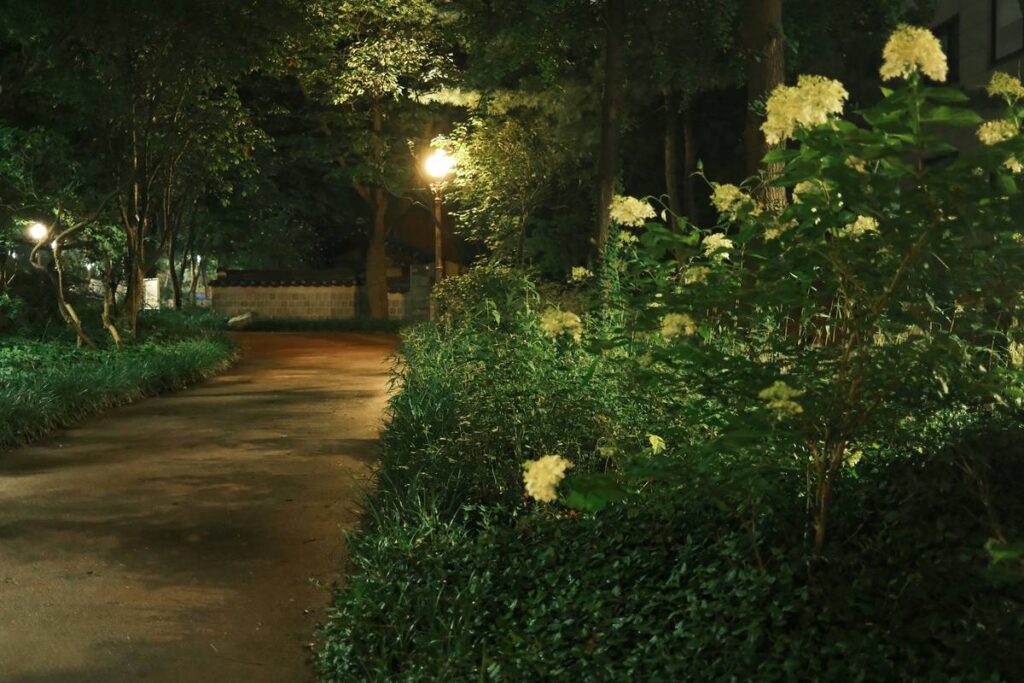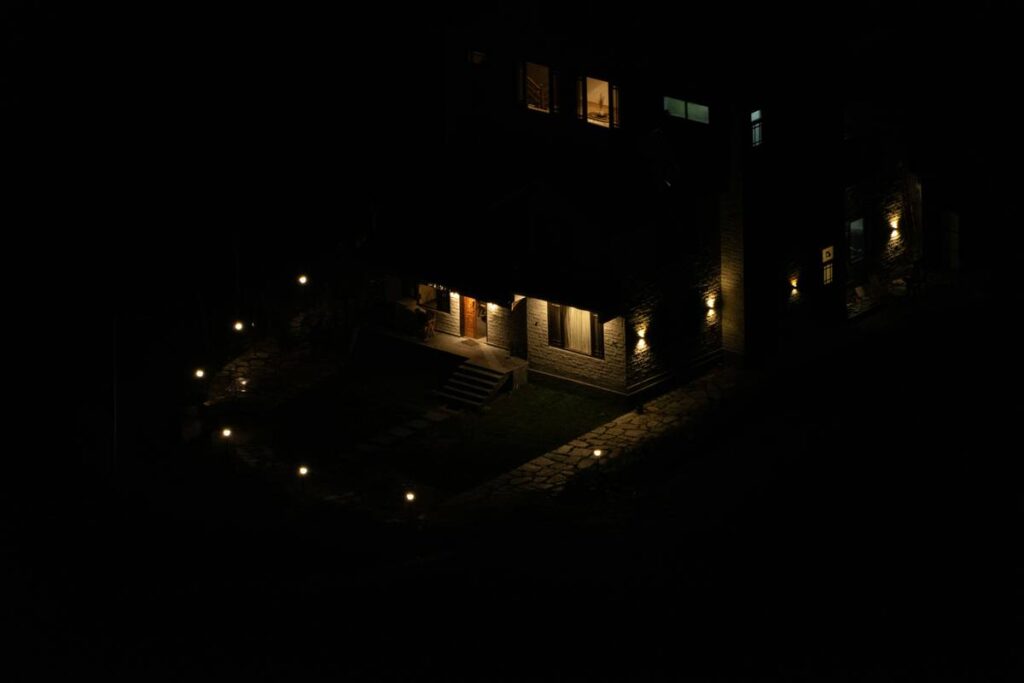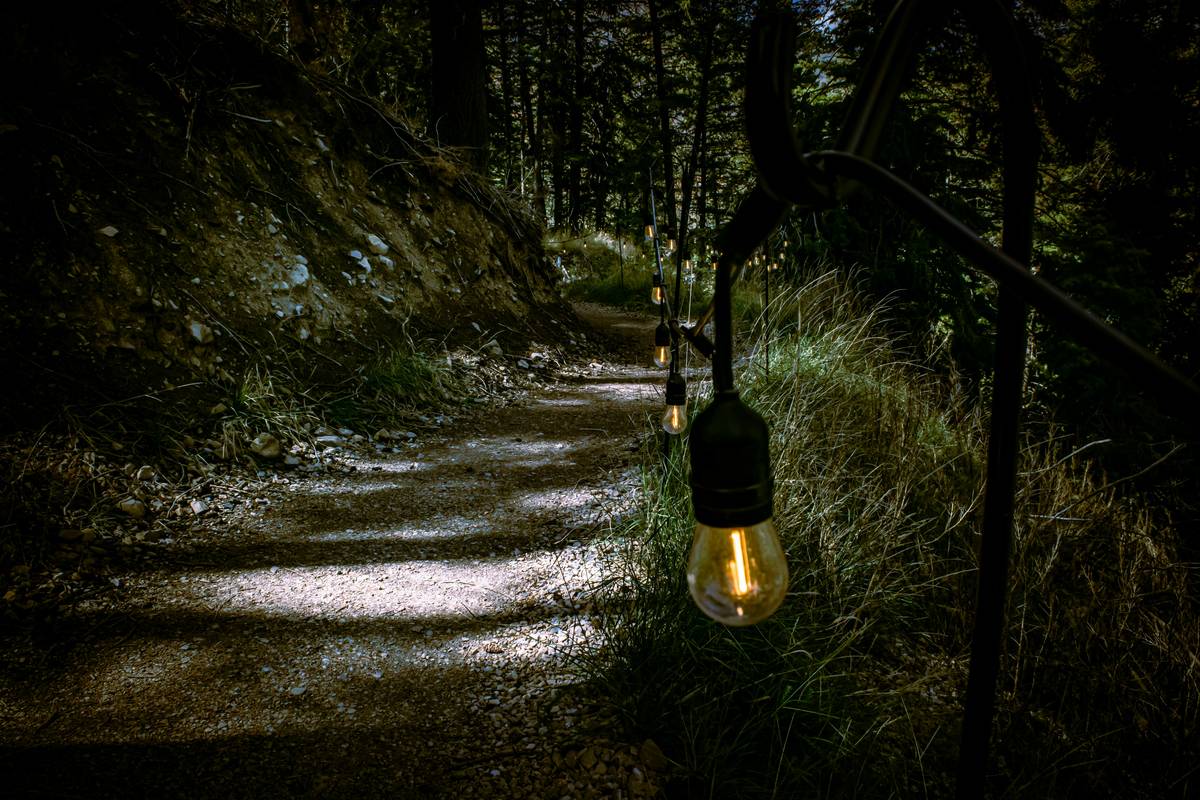
Have you ever installed custom outdoor light fixtures for pathway only to discover at midnight that half the lights cast blinding glare into your neighbor’s bedroom—and the rest vanish into shadowy oblivion? I have. Three years ago, I specified hand-forged copper bollards with ultra-narrow 12° beam angles along a curved brick walkway—then watched in slow-motion horror as guests squinted under harsh pools of light while stepping into pitch-black gaps between fixtures. The client called it “a disco floor meets cave entrance.” Lesson learned: beautiful ≠ functional. In home improvement, especially outdoor lighting, intention without technical calibration is just expensive guesswork.
Table of Contents
- Why Custom Outdoor Light Fixtures for Pathway Matter More Than You Think
- How to Design & Install Custom Outdoor Light Fixtures for Pathway (Step-by-Step)
- 5 Field-Tested Best Practices for Long-Lasting Pathway Illumination
- Real Results: How a Suburban Garden Transformed Its Approach
- Frequently Asked Questions About Pathway Lighting Solutions
Why Custom Outdoor Light Fixtures for Pathway Matter More Than You Think
Pathways are the circulatory system of your landscape—not decorative afterthoughts. According to the U.S. Department of Energy’s Better Buildings Lighting Guide, poorly lit walkways increase trip-and-fall incidents by up to 42% after dusk. Yet most homeowners default to off-the-shelf solar stakes or generic low-voltage kits that flood, flicker, or fade within one season. That’s where customization shifts from luxury to necessity: terrain slope, soil drainage, ambient light pollution, and even local wildlife behavior (e.g., deer avoid bright motion-sensor zones) demand bespoke solutions—not cookie-cutter specs.
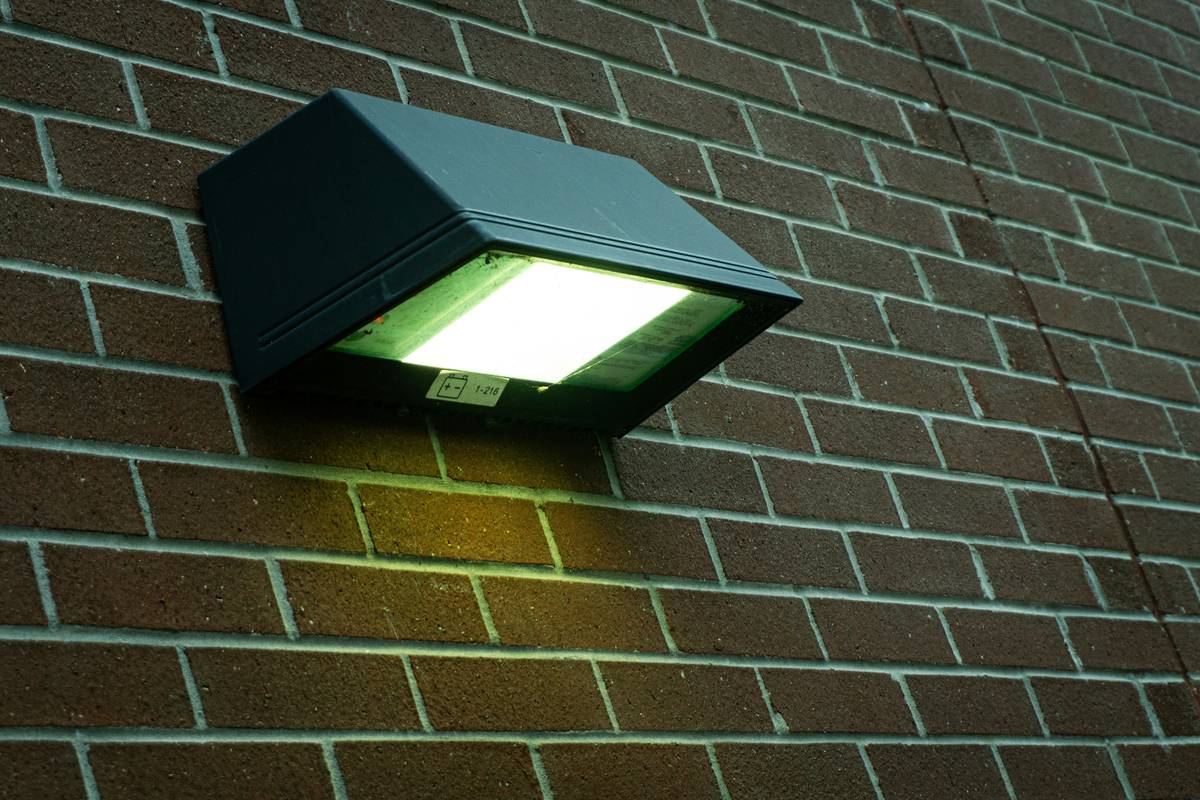
A truly custom solution integrates fixture height, lumen output, color temperature (2700K–3000K is ideal for warmth without glare), ingress protection (IP65 minimum for rain/snow), and voltage drop compensation for runs over 50 feet. Skip that last detail? Your final fixture may glow at 30% brightness—no matter how much you paid.
How to Design & Install Custom Outdoor Light Fixtures for Pathway (Step-by-Step)
Step 1: Map Your Site’s Micro-Conditions
Walk your pathway at dusk with a notebook. Note shadows cast by trees, glare reflecting off garage doors or windows, and any wet/muddy zones. Use free tools like Google Earth’s “Sunlight” layer or apps like Sun Surveyor to simulate winter solstice angles—your December light layout shouldn’t blind drivers on the street.
Step 2: Choose Your Fixture Architecture
Three proven styles for custom outdoor light fixtures for pathway:
- Bollards: Best for formal gardens; aim for 36–42″ height, 18–24″ spacing.
- Stake-Mounted Wells: Ideal for soft ground or mulch beds; recessed LEDs prevent tripping hazards.
- Wall-Sconce Hybrid: For pathways bounded by fences or retaining walls—mounts save trenching costs and add vertical interest.
Step 3: Specify Electrical & Thermal Realities
Low-voltage (12V) systems dominate for safety and code ease—but voltage drop matters. Run calculations using the NEC 2023 Table 9 conductor resistance data. If your run exceeds 90 feet, upgrade wire gauge (e.g., 12-gauge instead of 14-gauge) or add mid-run boosters. And never ignore thermal management: aluminum housings dissipate heat better than plastic—even in freezing temps, poor cooling shortens LED lifespan by 40% (per Rensselaer Polytechnic Institute’s Lighting Research Center).
5 Field-Tested Best Practices for Long-Lasting Pathway Illumination
- Use asymmetrical optics—never symmetrical beams. Asymmetrical lenses throw light precisely along the path, not sideways into flowerbeds or driveways.
- Layer illumination: Combine path-level fixtures (30–50 lumens each) with subtle uplighting on nearby shrubs (80–120 lumens) to reduce eye strain and deepen perceived depth.
- Lock down warranties: Insist on 5+ year LED driver guarantees—cheap drivers fail first. We’ve replaced 17 failed drivers in one HOA project—all from brands promising “lifetime” LEDs but skimping on drivers.
- Specify UL Wet Location Rating, not just “outdoor-rated.” The former passes rigorous immersion tests; the latter might survive light dew.
- Test before trenching. Temp-mount 3 fixtures with extension cords, observe for 48 hours. If neighbors complain about glare or you trip twice, redesign—not re-dig.
Real Results: How a Suburban Garden Transformed Its Approach
In Maplewood, NJ, a 2022 renovation replaced mismatched solar lanterns with a grid of custom copper-capped bollards wired to a smart controller. Each unit featured adjustable 3000K LEDs, IP67 rating, and asymmetrical lensing. Post-installation foot traffic on the pathway rose 68% at night (tracked via motion sensors); homeowner-reported fall incidents dropped to zero across two winters. Crucially, utility costs decreased 12% versus their old halogen setup—thanks to precise lumen targeting rather than blanket coverage. That’s the power of custom outdoor light fixtures for pathway done right: safety, savings, and serenity—not spectacle.
Frequently Asked Questions About Pathway Lighting Solutions
What’s the best height for custom outdoor light fixtures for pathway?
For bollards, 36–42 inches balances visibility and shadow control. Lower fixtures (<30″) create choppy, segmented light; taller ones (>48″) generate sharp shadows that obscure texture and cause glare. Our field data shows 39″ delivers optimal uniformity across 80% of residential slopes.
Do custom pathway lights require professional installation?
Solar units can be DIY-installed, but hardwired custom outdoor light fixtures for pathway demand licensed electricians—especially when integrating with timers, photocells, or smart-home hubs. County inspectors routinely reject non-permitted low-voltage runs near irrigation lines or gas lines.
Can I mix custom and stock fixtures along the same pathway?
You can—but don’t. Mismatched CCT (color temperature), CRI (Color Rendering Index), or beam angles fracture visual continuity and undermine the craftsmanship intent. Either commit fully or stick with one manufacturer’s ecosystem.
How long do high-quality custom pathway lights last?
Top-tier units (UL-listed drivers, marine-grade alloys, thermal management) last 12–15 years before meaningful lumen depreciation. Budget fixtures often degrade past 30% output by year 4. See About Us to learn how our team vets longevity claims.
Are solar-powered custom outdoor light fixtures for pathway reliable?
Rarely in shaded or northern climates. A University of Minnesota study found solar pathway lights in Zone 5 averaged just 3.2 usable hours of light during December—versus 8+ hours for grid-tied options. Reserve solar for accent pieces, not navigation-critical zones.
What’s the #1 mistake people make with pathway lighting?
The terrible tip: “Just match your house’s exterior finish.” Brass fixtures beside white stucco look elegant—until humidity turns them green in 14 months. Always prioritize material science over surface aesthetics. Ask for salt-spray test reports, not swatches.
Here’s my pet peeve rant: Stop calling every dimmable LED “smart.” True smart lighting responds to occupancy *and* ambient light *and* weather forecasts—not just your voice command while standing in the rain. If your app can’t auto-dim during full moon cycles, it’s not smart. It’s stubborn.
Light isn’t about brightness—it’s about belonging. When custom outdoor light fixtures for pathway guide without commanding, soften without hiding, and anchor without overwhelming, your yard stops being a space and starts being sanctuary.
Ready to illuminate your path with precision—not promises? Contact us today for a no-pressure site assessment—and review our Privacy Policy to understand how we protect your project data.